
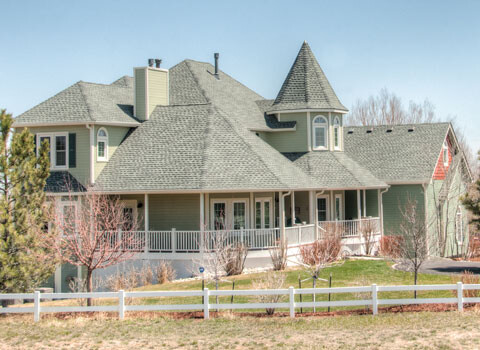
Choosing a new roof is one of the most significant home improvement decisions you will make. Before requesting a quote, most homeowners want to understand what they are paying for — and why certain materials cost more, last longer, or perform better in specific climates. In Colorado, those climate factors carry extra weight.
This guide walks you through the most common types of roofing materials side by side, comparing roofing material cost, lifespan, durability, and long-term return on investment. Whether you are replacing an aging asphalt roof or exploring premium options for the first time, this comparison will help you make a confident, informed decision.
Colorado’s climate — including heavy snow loads, intense UV exposure, sudden hail storms, and wide temperature swings — makes material selection more than an aesthetic choice. The right roofing material can mean the difference between replacing your roof once or twice in your lifetime.
Roofing Materials Comparison Overview
When evaluating roof replacement materials, price is only one piece of the puzzle. Here are the six factors every homeowner should weigh before making a decision:
- Cost: Upfront installed cost per square foot and total project estimate
- Lifespan: How many years the material is expected to perform before requiring replacement
- Durability: How well the material holds up against hail, wind, snow, and UV exposure
- Maintenance: Ongoing upkeep requirements and associated costs
- Energy efficiency: Whether the material contributes to heating or cooling savings
- Resale value: How the material affects your home’s market appeal and appraisal
No single material excels in every category. The best roofing material for your home depends on your budget, your long-term ownership plans, and the specific demands of your location.
Roofing Materials Cost Comparison
The table below shows estimated installed costs for the most common residential roofing materials. Prices reflect a typical single-family home in the Colorado Front Range market and include materials and labor.
| Material | Avg. Cost / Sq. Ft. | Typical Installed Range | Maintenance Level |
|---|---|---|---|
| Asphalt Shingles | $3.50 – $5.50 | $7,000 – $14,000 | Low |
| Metal Roofing | $7.00 – $14.00 | $14,000 – $30,000 | Very Low |
| Clay / Concrete Tile | $10.00 – $18.00 | $20,000 – $40,000 | Low–Medium |
| Slate Roofing | $15.00 – $30.00 | $30,000 – $75,000 | Low |
| Wood Shakes | $6.00 – $10.00 | $12,000 – $25,000 | High |
| Synthetic / Composite | $5.00 – $10.00 | $10,000 – $22,000 | Low |
Keep in mind that roofing material cost varies based on several factors: your roof’s total square footage, the complexity of your roofline (valleys, dormers, steep pitches), current labor rates in your area, and whether your structure requires additional reinforcement — particularly relevant for heavier materials like slate or tile. The estimates above assume a standard residential installation on a straightforward roofline.
Roofing Material Lifespan Comparison
Lifespan is one of the most important (and most overlooked) factors in a roofing materials comparison. A roof that costs twice as much but lasts three times as long often represents better value over your ownership horizon.
| Material | Avg. Lifespan | Weather Resistance | Maintenance Needs |
|---|---|---|---|
| Asphalt Shingles | 20–30 years | Moderate (hail-rated options avail.) | Low – periodic inspection |
| Metal Roofing | 40–70 years | Excellent – wind, snow, hail | Very low – occasional cleaning |
| Clay / Concrete Tile | 40–50+ years | Good – UV, wind; brittle under hail | Low – inspect after hail |
| Slate Roofing | 75–150 years | Excellent – most weather types | Low – professional repair only |
| Wood Shakes | 20–30 years | Moderate – needs treatment for moisture | High – annual treatment & moss control |
| Synthetic / Composite | 30–50 years | Good – impact-resistant options avail. | Low |
Slate roofing leads all materials with a potential lifespan of 75 to 150 years, making it a true once-in-a-generation investment. Metal roofing follows at 40 to 70 years, with minimal maintenance needs. Asphalt shingles, while the most affordable option, top out at around 30 years under ideal conditions — and Colorado’s climate is rarely ideal.
Colorado homeowners face a unique combination of stressors. Heavy spring snowpack adds structural load, intense summer hail can puncture or crack materials, and the state’s high altitude accelerates UV degradation. When comparing roofing material lifespan, consider how each material performs under these conditions specifically — not just national averages.
Durability Comparison for Colorado Homes
Colorado weather doesn’t just test roofs — it punishes them. Hailstorms, snowpack, relentless UV radiation, and high winds are regular occurrences along the Front Range and in the mountains. Here is how each major roofing material holds up:
Asphalt Shingles
- Hail: Moderate resistance; impact-resistant (Class 4) shingles significantly improve performance
- Snow: Adequate; standard 3-tab shingles can be vulnerable to ice damming
- UV: Degrades faster at high altitude; granule loss is common after 15+ years
- Wind: Rated for 60–130 mph depending on product; architectural shingles outperform 3-tab
Metal Roofing
- Hail: Excellent; standing seam and steel panels dent rather than crack
- Snow: Superior; smooth surface sheds snow efficiently, reducing load stress
- UV: Excellent; factory coatings retain color and integrity for decades
- Wind: Outstanding; rated up to 140+ mph on most systems
Clay and Concrete Tile
- Hail: Vulnerable; hard hail can crack or chip tile surfaces
- Snow: Can support significant load, but heavy accumulation may require reinforced framing
- UV: Excellent; clay tiles retain color naturally for decades
- Wind: Good when properly installed; individual cracked tiles can be replaced
Slate Roofing
- Hail: Very good; natural density resists impact better than most materials
- Snow: Outstanding load capacity — historically used in high-snowfall regions
- UV: Exceptional; natural stone is unaffected by UV degradation
- Wind: Excellent structural integrity once installed by a qualified contractor
Wood Shakes
- Hail: Poor to moderate; splits and cracks under moderate to severe hail
- Snow: Adequate when properly sealed, but moisture infiltration is a risk
- UV: Moderate; requires regular treatment to prevent splitting and fading
- Wind: Moderate; individual shakes can loosen over time without proper maintenance
Synthetic / Composite Roofing
- Hail: Good to excellent; many products carry Class 4 impact ratings
- Snow: Very good; engineered for consistent performance across temperature ranges
- UV: Good; quality products include UV-stabilizing additives
- Wind: Very good; typically rated for 110+ mph wind resistance
Roofing Materials ROI Comparison
Roofing material ROI is about more than the sticker price. A homeowner who replaces asphalt shingles every 25 years may spend more over a 75-year period than one who invested in metal or slate upfront. The table below compares long-term value across all major materials.
| Material | Upfront Cost | Expected Lifespan | Long-Term Value Rating |
|---|---|---|---|
| Asphalt Shingles | Low | 20–30 yrs | Moderate – may need 2+ replacements |
| Metal Roofing | Medium–High | 40–70 yrs | High – outlasts most homes |
| Clay / Concrete Tile | High | 40–50+ yrs | High – strong resale appeal |
| Slate Roofing | Very High | 75–150 yrs | Very High – premium, generational |
| Wood Shakes | Medium | 20–30 yrs | Low–Moderate – high upkeep costs |
| Synthetic / Composite | Medium | 30–50 yrs | Good – durability without premium price |
The cheapest material upfront is not always the most cost-effective long term. Asphalt shingles may need to be replaced two or even three times within the lifespan of a metal or slate roof. Each replacement cycle comes with labor costs, disposal fees, and the disruption of a construction project.
Beyond direct cost savings, durable roofing materials improve your home’s resale value. In Colorado’s competitive real estate market, a metal or slate roof can be a meaningful differentiator. Some insurance carriers also offer premium discounts for Class 4 impact-resistant roofing, which applies to many metal and synthetic options — providing additional long-term savings that offset higher upfront costs.
Which Roofing Material Is Best for Colorado?
There is no single best roofing material for every Colorado home. Your ideal choice depends on your priorities. Here is a quick-reference breakdown:
- Best for durability: Metal roofing — handles hail, snow, UV, and wind with minimal maintenance over a 40–70-year lifespan
- Best for affordability: Asphalt shingles — the lowest upfront cost and widely available through most roofing contractors
- Best for longevity: Slate roofing — ideal for homeowners making a permanent investment
- Best for curb appeal: Clay tile or natural slate — premium aesthetics that elevate resale value and neighborhood presence
- Best value balance: Synthetic / composite roofing — Class 4 impact resistance, 30–50-year lifespan, and a mid-range price point that outperforms asphalt over time
For most Colorado Front Range homeowners replacing a standard asphalt roof, the choice typically comes down to asphalt vs. metal roof. Metal costs more upfront but delivers superior performance and a longer lifespan — and often qualifies for insurance discounts due to its impact resistance rating. If budget allows, metal is the most practical long-term choice for Colorado’s climate.
When to Replace Your Roof
Comparing roofing materials is usually the second step — the first is recognizing that your current roof needs to be replaced. Here are the signs to watch for:
- Aging shingles: Shingles that are curling, cracking, or losing granules at scale indicate the material is reaching the end of its serviceable life
- Active leaks or water damage: Water stains on ceilings or walls, especially after snow melt or rain, suggest the roof’s waterproofing has been compromised
- Storm damage: Hail bruising, missing shingles, or bent flashing following a significant storm often warrants full replacement rather than repair
- Visible structural issues: Sagging sections, soft spots, or daylight visible through the roof deck are signs of deeper structural compromise
- Age of the roof: If your asphalt roof is 20 or more years old, a proactive replacement evaluation makes sense — especially before Colorado’s spring storm season
Once you have determined that replacement is appropriate, this roofing materials comparison becomes an essential part of the planning process. Understanding your options before meeting with a contractor ensures that you can make an informed, confident decision rather than a reactive one.
Get a Free Roofing Quote from Advanced Exteriors
Ready to Compare Roofing Options for Your Home?
Get a free roofing quote to compare material options for your home.
Frequently Asked Questions
What is the most durable roofing material?
Metal roofing is widely considered the most durable option for most homeowners. It withstands hail, wind, snow, and UV exposure with minimal degradation over a 40–70-year lifespan. Slate is also highly durable and can last over a century, though it comes at a significantly higher cost and requires specialized installation.
What roofing material lasts the longest?
Natural slate has the longest lifespan of any residential roofing material, often lasting 75 to 150 years. Metal roofing is the next most durable at 40 to 70 years. Both significantly outlast standard asphalt shingles, which typically last 20 to 30 years under normal conditions.
What is the most affordable roofing material?
Asphalt shingles are the most affordable roofing material by upfront installed cost, typically ranging from $7,000 to $14,000 for a standard home. However, because they have a shorter lifespan, the total cost of ownership over several decades may be higher than a more durable material installed once.
What roofing material works best in Colorado weather?
Metal roofing performs best in Colorado’s climate. Its resistance to hail, snow shedding capability, UV stability, and high wind ratings make it ideally suited for Front Range and mountain conditions. Synthetic composite roofing with a Class 4 impact rating is a strong mid-range alternative, especially for homeowners seeking hail resistance at a lower price point than metal.
Is metal roofing worth the cost?
For most Colorado homeowners, yes. Metal roofing costs two to three times more than asphalt shingles upfront, but it typically lasts two to three times as long — meaning many homeowners will only need one installation over their lifetime. When you factor in reduced maintenance costs, potential insurance premium discounts for impact-resistant roofing, and the material’s strong resale value contribution, the long-term economics often favor metal over asphalt.