
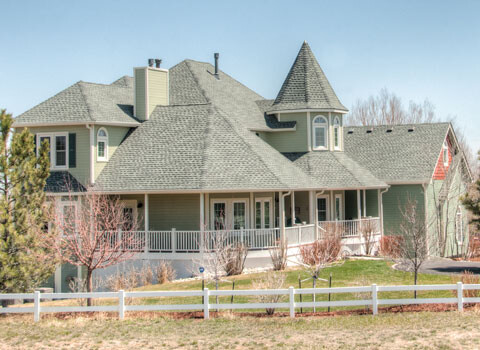
There is no single roofing material that works best for every roof replacement and repair. The right choice depends on your budget, how long you plan to stay in the house, your local climate, and what matters most to you in a roof. Durability? Curb appeal? Long-term value? Each material has different strengths.
This guide walks through the most common residential roofing materials, compares them across key factors, and helps you narrow down the best option for your situation. For a full overview of all available choices, see our guide to types of roofing materials.
Factors That Determine the Best Roofing Material
Before looking at specific materials, it helps to understand what you are actually evaluating. Here are the factors that matter most in a roofing material decision:
- Durability: How well does it resist wind, hail, and storm damage?
- Lifespan: How many years should it last before replacement?
- Cost: What does it cost to purchase and install?
- Maintenance requirements: How much upkeep does it need over its life?
- Appearance: Does it complement your home’s style?
- Climate performance: Is it suited to the weather conditions in your area?
- Weight: Does your roof structure need reinforcement to support it?
Not every homeowner will prioritize these factors the same way. A homeowner in a hail-prone area may weight durability more heavily than someone in a mild climate. A homeowner selling their home in two-three years has different needs than one planning to stay there for decades.
Best Roofing Materials Compared
| Material | Avg. Cost (per sq ft) | Lifespan | Durability | Best For |
|---|---|---|---|---|
| Architectural asphalt | $7.00 – $10.00 | 35 – 50 years | Good | Most homes, budget-conscious buyers |
| Metal (standing seam, corrugated, R-panel, stone-coated) | $7.00 – $20.00 | 40 – 70 years | Excellent | Long-term value, snow/hail resistance |
| Concrete tile (various types) | $10.00 – $18.00 | 40 – 50 years | Very good | Warm climates, curb appeal |
| Slate or clay tile | $20.00 – $40.00 | 75 – 150 years | Excellent | Premium homes, longevity priority |
| Synthetic composite | $14.00 – $20.00 | 50+ years | Very good | Appearance + durability balance |
Looking to replace your roof in the Denver area? Get a quote in 60 seconds.
Best Roofing Material for Durability
When durability is the top priority, metal, synthetic composite, and slate lead the field. Standing seam metal roofing handles high winds, heavy snow, hail, and temperature swings extremely well. It does not crack, warp, or absorb moisture, and it holds up in climates that would stress other materials.
Slate is the most durable natural material available. A properly installed slate roof can last over 100 years with minimal intervention. The tradeoff is cost: slate is among the most expensive options available, and not every roof structure can support its weight. It also requires maintenance, unlike synthetic composite or stone-coated steel alternatives.
For homeowners who want strong durability without premium pricing, UL Class 4 impact-rated architectural shingles offer a practical middle ground. Many insurance carriers also offer discounts for Class 4 rated materials, which can offset some of the higher installation cost.There are now a wide range of Class 4 rated materials available, including some concrete tile, stone-coated steel, synthetic composite, and heavyweight shake or slate asphalt shingles.
Best Roofing Material for Affordability
Asphalt shingles remain the most affordable full-service roofing option for most residential homes. Architectural shingles, the mid-tier version, cost slightly more than basic three-tab shingles but deliver noticeably better durability and a much longer warranty. For the price, they offer the strongest value overall.
If you are working with a tight budget and need a functional roof without major structural concerns, architectural asphalt shingles are typically the best starting point. They are widely available, easy to source, and most roofing contractors are experienced with them. Heavy materials such as concrete, slate, and clay tile often require a structural engineer to verify the structure can withstand additional weight and could add additional costs to reinforce framing members prior to re-roofing, so they would be the least cost-effective options.
Best Roofing Material for Longevity
Slate wins on pure longevity, but it is not practical for most homeowners. The more accessible options for a long-lived roof are metal, stone-coated steel, and high-quality synthetic composite tiles.
For a homeowner planning to stay in a home for 20 or more years and are willing to spend more than the cost of asphalt shingles, a metal roof often represents the best long-term value. The higher upfront investment is offset by the fact that the roof is unlikely to need replacement for several decades and typically requires little maintenance in between.
Best Roofing Material for Curb Appeal
Appearance is subjective, but certain materials tend to have strong visual appeal across a wide range of home styles. Architectural asphalt shingles have a dimensional texture that reads well on most homes. Concrete and clay tile roofing creates a distinctive profile that suits Mediterranean and Spanish-style architecture particularly well.
Synthetic composite shingles are worth considering if you want the look of wood shake or slate without the cost or maintenance commitment. Premium synthetic products closely mimic natural materials and are available in a range of profiles and colors, and can also be installed with offset (staggered) courses and even custom color blends.
Metal roofing has expanded well beyond corrugated panels. Standing seam metal and metal shingles offer clean, contemporary aesthetics that have grown in popularity on both traditional and modern homes. Stone-coated steel offers tile and shake profiles that can enhance the look of nearly any home.
Best Roofing Material for Colorado Weather
Colorado presents a specific combination of challenges: frequent hailstorms, significant snowfall, freeze-thaw cycles, intense UV exposure at elevation, and occasional high winds. Not every roofing material handles all of these equally well.
For Colorado homeowners, the most commonly recommended options are:
- Impact-resistant architectural shingles (UL Class 3 or Class 4 rated) for hail resistance and insurance discounts
- Standing seam metal roofing for snow shedding, hail durability, and longevity
- Synthetic composite tiles or stone-coated steel panels that meet UL Class 4 impact ratings and shed snow effectively
Stone-coated steel and Class 4 rated materials are particularly popular in Colorado because most homeowners insurers now offer meaningful discounts for homes with impact-resistant roofing, which can offset the higher installation cost over time. Unfortunately, many insurers are now including cosmetic damage exclusions in their policies, which can be a problem following a hailstorm for anyone with a metal panel or standing seam roof.
Ready for a roof replacement? Get a free roofing quote to compare material options for your home.
Schedule a Free Inspection TodayFrequently Asked Questions (FAQs)
What is the most durable roofing material for homes?
Metal, stone-coated steel, synthetic composite, and slate are the most durable residential roofing materials. These roofs can handle hail, wind, and snow extremely well. Slate can last over a century with proper installation and maintenance.
What roofing material lasts the longest?
Slate has the longest documented lifespan of any residential roofing material, often exceeding 75 to 150 years. Standing seam metal typically lasts 40 to 70 years and is more accessible for most homeowners in terms of cost and structural requirements.
What is the most popular roofing material for homes?
Asphalt shingles, particularly architectural (dimensional) shingles, are the most widely installed roofing material in the United States. They offer reliable performance, a range of colors and styles, and installation costs that most homeowners can manage.
Is metal roofing better than shingles?
It depends on your priorities. Metal roofing can last longer and performs better in extreme weather, but can cost considerably more upfront. Asphalt shingles offer lower entry costs with solid performance and are more budget-friendly for most homeowners. Extended warranties are now available with most asphalt shingle roofing systems as long as the contractor is certified with the manufacturer and installs per their specifications.
What roofing material is best for snow and hail?
Standing seam metal and synthetic composite roofing are generally the top performers for both snow and hail. Its smooth profile allows snow to slide off efficiently, and steel panels absorb impact better than shingles. Class 4 impact-rated shingles are a strong alternative for homeowners who prefer the look of a shingle roof.