
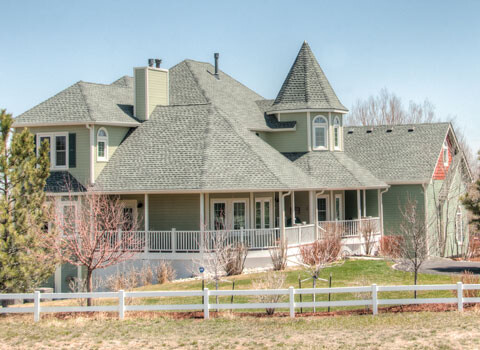
A roof replacement is one of the most significant home improvement decisions you will make. Beyond just replacing what was there before, a replacement gives you the opportunity to choose a material better suited to your home, your climate, and your long-term goals. Understanding your roof replacement options before you contact a contractor puts you in a much stronger position when it comes time to make that decision.
This guide covers the most common replacement materials, key cost factors, and what to think through when comparing options. For a comprehensive look at all available roofing materials, see our guide to types of roofing materials.
Signs It May Be Time for a Roof Replacement
Before exploring replacement materials, it helps to confirm that a replacement is actually what your home needs. Some roof issues can be addressed with targeted repairs. Others point clearly to the need for a full replacement. Common indicators include:
- Age: Most asphalt shingle roofs were designed to last 20 to 30 years. If yours is approaching or past that range, replacement is worth evaluating by having the roof inspected by a qualified professional.
- Widespread granule loss: Granules protect shingle asphalt from UV exposure. Heavy granule loss across the roof surface can signal the shingles are nearing the end of their life, or potentially a manufacturer defect issue.
- Roof leaks or recurring repairs: If you are patching the same areas repeatedly, the underlying material may have degraded past the point where repairs are cost-effective. A leak can also be an indication of a damage event that occurred to the roof without your knowledge.
- Visible sagging: Sagging areas can indicate structural issues with the decking underneath, which requires more than cosmetic repair. Improper attic ventilation and trapped heat and condensation can also cause roof decks (also referred to as decking or sheathing) to fail. Your roof deck should be visibility flat, so if it isn’t that is indicative of underlying issues.
- Storm damage: A hailstorm and/or wind event can cause widespread damage that makes replacement the most practical option, particularly if the damage is extensive enough to qualify for an insurance claim. A qualified contractor should be able to assist with the insurance claim process if this is the case, so there is no need to try to go it alone against the insurance company.
A qualified roofing contractor can inspect your roof and help you determine whether repair or full replacement makes more sense given your situation.
Roof Replacement Cost Factors
The cost of a roof replacement varies based on more than just the material you choose. Here are the main variables that affect the final price:
- Roof size: Larger roofs require more material and labor.
- Roof pitch and complexity: Steeper pitches and complicated rooflines with multiple valleys, dormers, or penetrations take more time and require more material waste to install than simple roofs.
- Access and height: Some roofs are much more difficult to access than others, so tear off debris and new material installation may have to be moved further and add to labor costs.
- Material selection: Premium materials cost more per square foot, sometimes for both product and installation.
- Tear-off requirements: Removing and disposing of the existing roof adds labor and disposal costs beyond original construction. Some older homes have multiple layers of roofing present, which would add to labor and disposal expenses.
- Decking condition: If the roof decking is damaged or rotten, it will need to be replaced before new materials are installed.
- Local labor rates: Contractor pricing varies by market and region. Insurance claims account for this variance by using regional price lists that are updated monthly, so that claims are paid based on the local market needs.
- Ventilation requirements: All attic spaces must be ventilated to comply with building code and manufacturer specifications. There are many ways to ventilate different attic spaces with a wide range of product. Understanding of ventilation needs, code requirements, and enforcement have evolved over time, so assuming the existing ventilation is adequate can be a big mistake. Any changes made to the attic ventilation should be thoughtfully evaluated and calculated by a knowledgeable professional.
Getting multiple quotes from and interviewing licensed roofing contractors is the most reliable way to understand the actual cost for your home and your chosen materials.
Upgrading Your Roofing Material During Replacement
A full replacement is one of the best opportunities to upgrade to a better-performing material. Many homeowners who started with a basic asphalt shingle roof choose to upgrade to architectural shingles, metal panels, or synthetic composites when it comes time to replace.
Upgrades to consider include:
- Moving from three-tab to architectural shingles for better durability and appearance
- Upgrading to a Class 4 impact-rated material to potentially qualify for insurance discounts
- Switching to metal or synthetic composite roofing for long-term performance with minimal maintenance (sometimes referred to as a roof solution)
- Adding enhanced underlayment, improved flashing, and/or upgraded ventilation during the installation as well as exploring extended manufacturer warranty options
Your contractor should be able to walk you through the cost difference between upgrade options and help you assess whether the investment makes sense for your situation.
How to Choose the Right Roof Replacement Option
Start by defining what matters most to you. If budget is the primary concern, architectural asphalt shingles offer the most practical combination of affordability and performance. If you are more focused on long-term value or plan to stay in the home for many years, metal roofing or a premium synthetic product may deliver better returns over time. Insurance claims will pay to replace with like kind and quality to the existing roof (although sometimes building code requirements can pay for some upgrades). Asking for pricing on upgrading beyond what is covered by an insurance claim is the easiest way to explore options if budget allows.
Climate should also factor in significantly. In Colorado, where hail, snow, freeze-thaw cycles, and UV exposure are all factors, choosing a material rated for those conditions is not just a preference; it can protect your home more effectively and reduce out-of-pocket repair costs over the life of the roof.
Working With a Roofing Contractor
A qualified roofing contractor is your best resource for evaluating your options. They can inspect your existing roof, explain what your replacement will involve, present material options at different price points, and provide accurate quotes based on your specific home.
When working with a contractor, ask about:
- Manufacturer warranties on the materials they recommend
- Workmanship warranties on the installation
- Their experience with the specific material you are considering
- Any current promotions or financing options
- A complete presentation of the proposed roofing systems, products, and process they will follow (including working with your insurance claim if applicable)
Requesting quotes from two or three contractors also helps you understand pricing norms in your area and ensures you are comparing similar scopes of work.
Get A Free Quote TodayFrequently Asked Questions
What are my options when replacing a roof?
The most common residential replacement materials are asphalt shingles, metal roofing, tile, slate, and synthetic composites. Each differs in cost, lifespan, appearance, and climate performance. Your best option depends on your budget, how long you plan to stay in the home, and your local weather conditions.
Can I change roofing materials during a replacement?
Yes. A full replacement is a good opportunity to switch materials. Some changes, such as moving to tile or slate, may require a structural assessment to ensure the roof can handle the added weight. Your contractor can advise you on what is feasible for your home.
What is the most cost-effective roof replacement material?
Architectural asphalt shingles offer the best balance of cost and performance for most homeowners. If you have a longer time horizon, metal, stone-coated steel, or synthetic composite roofing products tend to deliver better long-term value despite higher upfront cost than asphalt shingles.
How long does a roof replacement take?
Most residential roof replacements are completed in one to three days, depending on the size and complexity of the roof and the material being installed. Metal and tile installations may take longer than standard asphalt shingle projects.
Should I repair or replace my roof?
If the damage is localized and the rest of the roof is in good condition, repair may be sufficient provided the matching product is available and the scope of work complies with local building code. If the roof is aging, showing widespread deterioration, or has sustained major storm damage, replacement is usually the more practical and cost-effective long-term solution. A professional inspection is the best way to make that determination.